
Études / Sport et géopolitique
15 janvier 2026
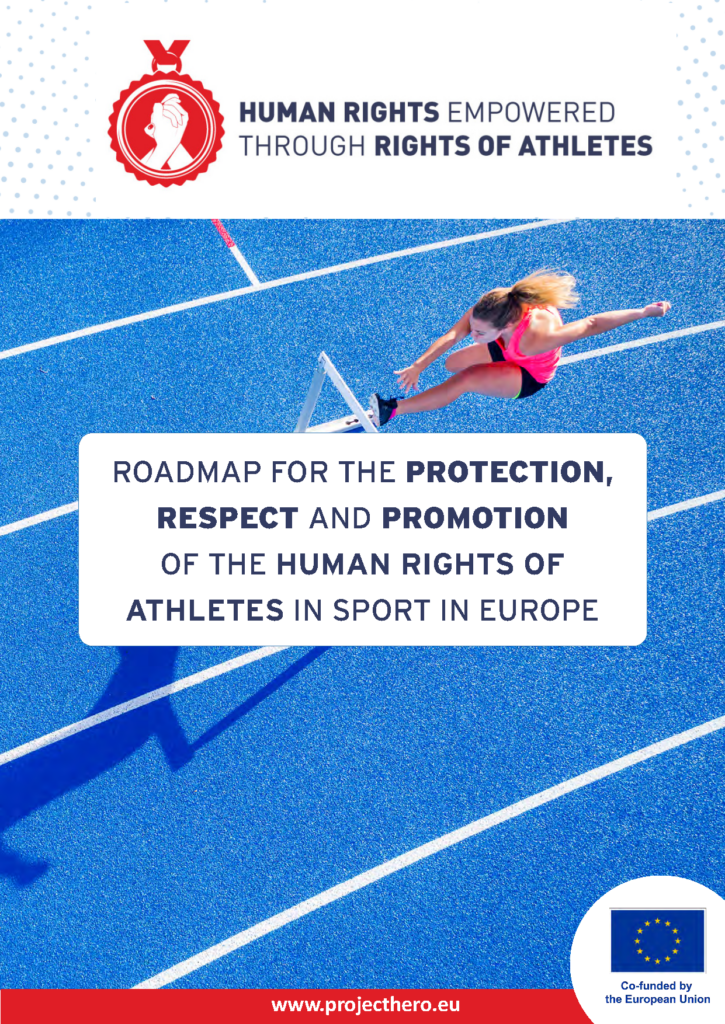
Roadmap for the Protection, Respect and Promotion of the Human Rights of Athletes in Sport in Europe
-

Directeur de recherche à l’IRIS, responsable du Programme Sport et géopolitique et de l’Observatoire géopolitique de l’espace post-soviétique
-

Chercheuse à l’IRIS, responsable du Programme Sécurité humaine
-

Elias Gacem
Assistant de recherche, IRIS
The H.E.R.O. (Human Rights Empowered Through Athletes Rights) project, funded by the European Union’s Erasmus+ program, tackles the critical issues of respecting, protecting and promoting human rights of athletes in sports governance. Led by a consortium of experts[1], this document provides a comprehensive roadmap for sport governing bodies[2] (federations, leagues, professional clubs, etc.) to ensure that the humans rights of athletes are respected.
This roadmap focuses on the main rights risks of athletes. These includes fundamental labor rights (to prevent economic exploitation and ensure fair working conditions), the right to non-discrimination (regardless of gender, origin, sexual orientation, disability, etc.), the right to health (physical and mental, including the psychological well-being of top-level athletes), human dignity and the right to freedom of expression.), the right to health (physical and mental, including the psychological well-being of top-level athletes), human dignity and physical integrity, the right to privacy and data protection, freedom of expression (including athletes’ freedom of political participation), right to an effective remedy in the event of abuse, and the specific rights of minor athletes. The aim is to help sports organizations to better prevent, and remedy human rights risks and violations faced by sports people.
It is based on international and European human rights standards such as the Universal Declaration of Human Rights, the main UN treaties[3], the United Nations Guiding Principles on Business and Human Rights (UNGPs), the fundamental conventions of the International Labour Organization and the European Convention on Human Rights, as well as on the principles of good sports governance incorporating human rights.
[1] IRIS (France – Leader of this HERO Erasmus Project), The Sport Innovation Hub (Spain), EUNIK (Netherlands), Asser Institute (Netherlands), the Olympic Committee of North Macedonia, Sport Social Solutions (North Macedonia)
[2] Sport governing bodies (SGB’S) are organizations that have the authority to oversee, regulate, and promote a specific sport at the local, national, or international level. They are responsible for setting the rules of the sport, organizing competitions, ensuring fair play, and developing the sport through training, funding, and outreach programs. These bodies may include: International federations, National governing bodies, Regional or local associations. Their roles typically include: Establishing rules and regulations, Organizing tournaments and events, Certifying officials and coaches, Ensuring safety and anti-doping compliance, Promoting development and participation.
[3] ICCPR, ICESCR, CEDAW, CRC, CRPD, ICERD
Focus